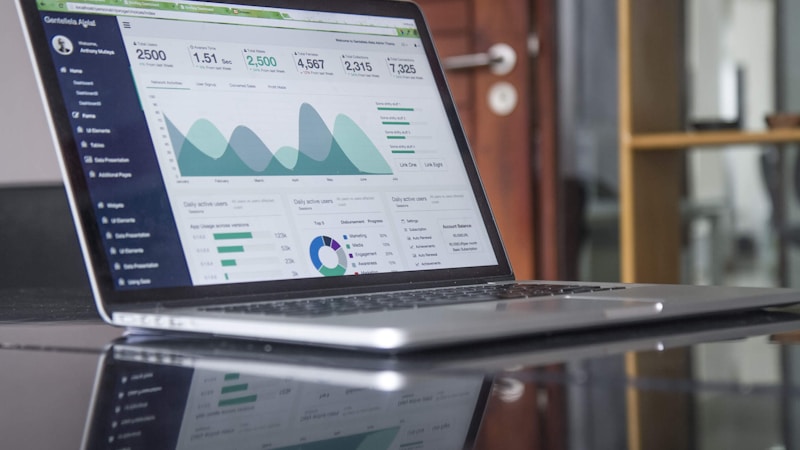
GST & BAS for Sole Traders: Register, Track, Lodge
When you must register, how GST actually works, and how to make BAS a non-event
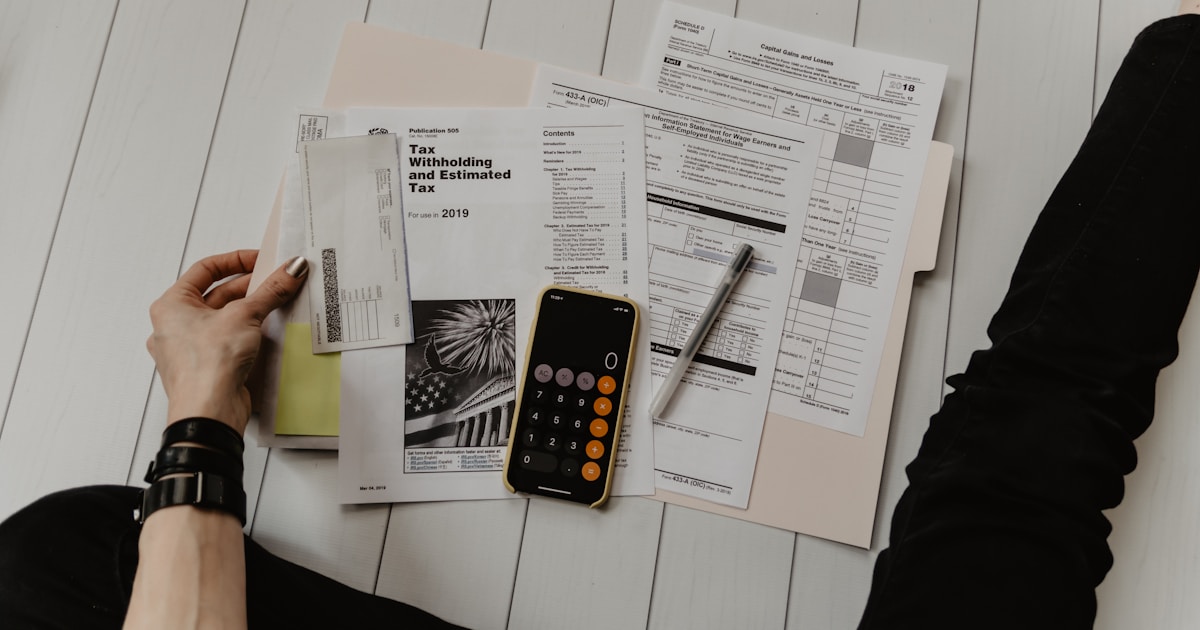
GST scares more sole traders than almost any other tax topic — and it shouldn't. Once you understand that you're collecting GST on the government's behalf (and claiming it back on your costs), the whole thing becomes a simple, repeatable rhythm.
This guide covers when you must register, how GST flows through your invoices and expenses, and how to make lodging your BAS a five-minute non-event instead of a quarterly panic.
General information only, not personal tax advice. Verify the current registration threshold and BAS due dates with the ATO (ato.gov.au).
Do you even need to register?
You must register for GST once your business turnover reaches $75,000 in a 12-month period (verify the current threshold), or if you expect to reach it. There are two important exceptions:
- Rideshare and taxi drivers must register from the first dollar — the $75,000 threshold doesn't apply to them.
- You can voluntarily register below the threshold — useful if you have big start-up costs and want to claim the GST credits, but it does add the BAS obligation.
How GST actually works
Step 1 — You add GST to your sales
When registered, you add 10% GST to your invoices. So a $1,000 job is invoiced at $1,100. That extra $100 isn't yours — you're holding it for the ATO. The simplest mental model: 1/11th of every GST-inclusive amount you receive is GST you'll remit.
Step 2 — You claim GST credits on your expenses
When you buy something for the business with GST in it, you can claim that GST back as a credit (you need a valid tax invoice). Fuel, tools, software, your phone — the GST portion comes back to you.
Step 3 — You lodge a BAS and pay the difference
On your Business Activity Statement you report the GST you collected and subtract the GST credits you're claiming. You pay the ATO the difference (or get a refund if your credits were larger). Most sole traders lodge quarterly.
Cash vs accruals — pick the one that suits your cash flow
- Cash basis: you account for GST when money actually changes hands. Simpler, and kinder to cash flow for small businesses — you don't owe GST on an invoice until the customer pays it.
- Accruals basis: you account for GST when you issue or receive an invoice, regardless of payment.
Most small sole traders choose cash. The golden habit either way: move the GST out of your everyday account the moment you're paid, so it's there when the BAS is due.
Mistakes that cause a BAS shock
- Spending the GST. That 1/11th was never yours. Sweep it into a separate account.
- No tax invoices. No valid invoice, no GST credit on larger purchases.
- Lodging late. Late BAS attracts penalties and interest — diarise the due dates.
- Claiming GST on GST-free items. Not everything has GST (some food, etc.) — don't claim credits that aren't there.
How TaxBot makes BAS a non-event
TaxBot reads the GST off every receipt you scan, keeps a running tally of the credits you're owed, and shows you how much GST you've collected — so when BAS time comes, the numbers are already there. No shoebox, no reconstruction, no surprise bill.